Farm Systems Modelling for GHG Reduction on Multiple Enterprise Māori Farms
This report uses two case studies to illustrate different ways that diversified Māori agribusinesses can reduce greenhouse gas emissions and increase profits.
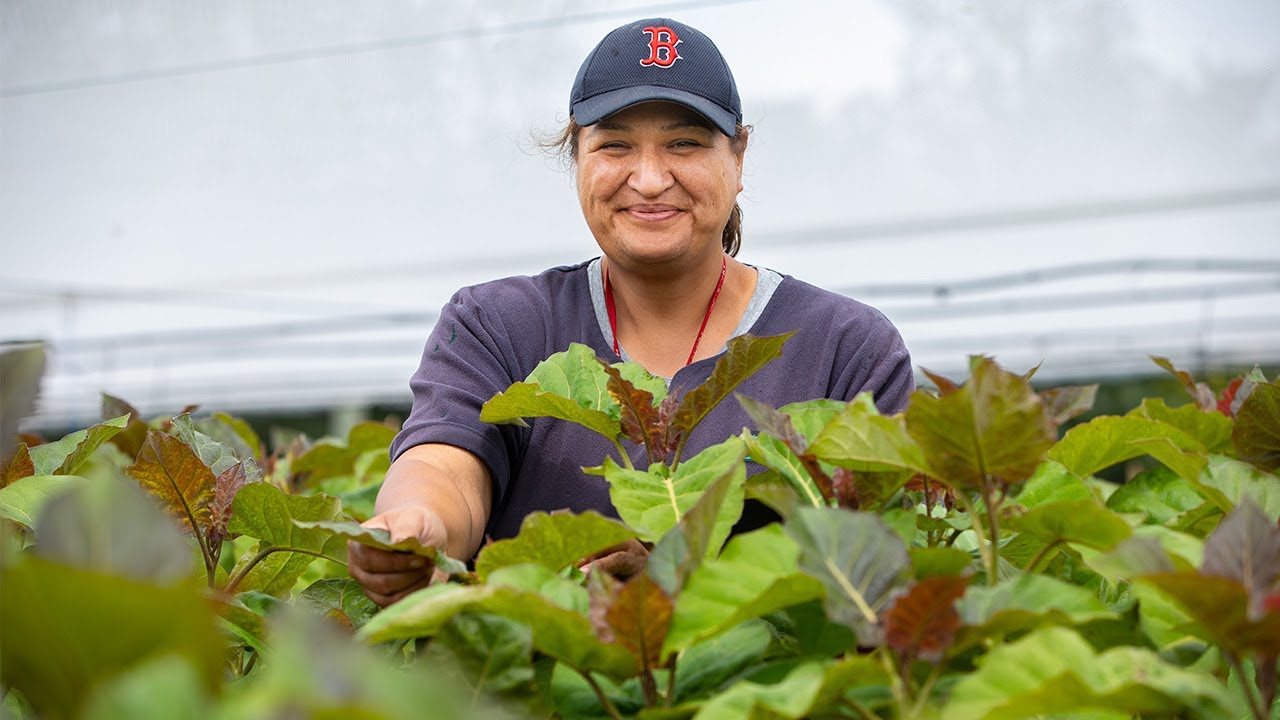
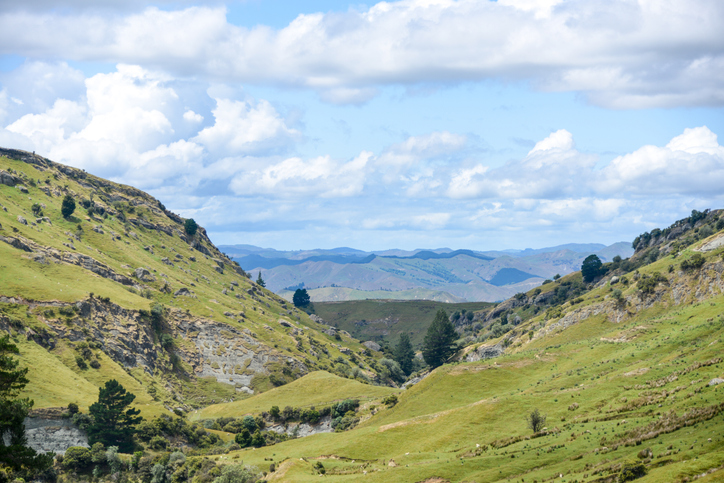
This case study documents the experience of a Māori Incoporation that runs a farming operation near Waihau Bay. It highlights the importance of understanding connections to the land and the responsibility farmers have in caring for the environment.
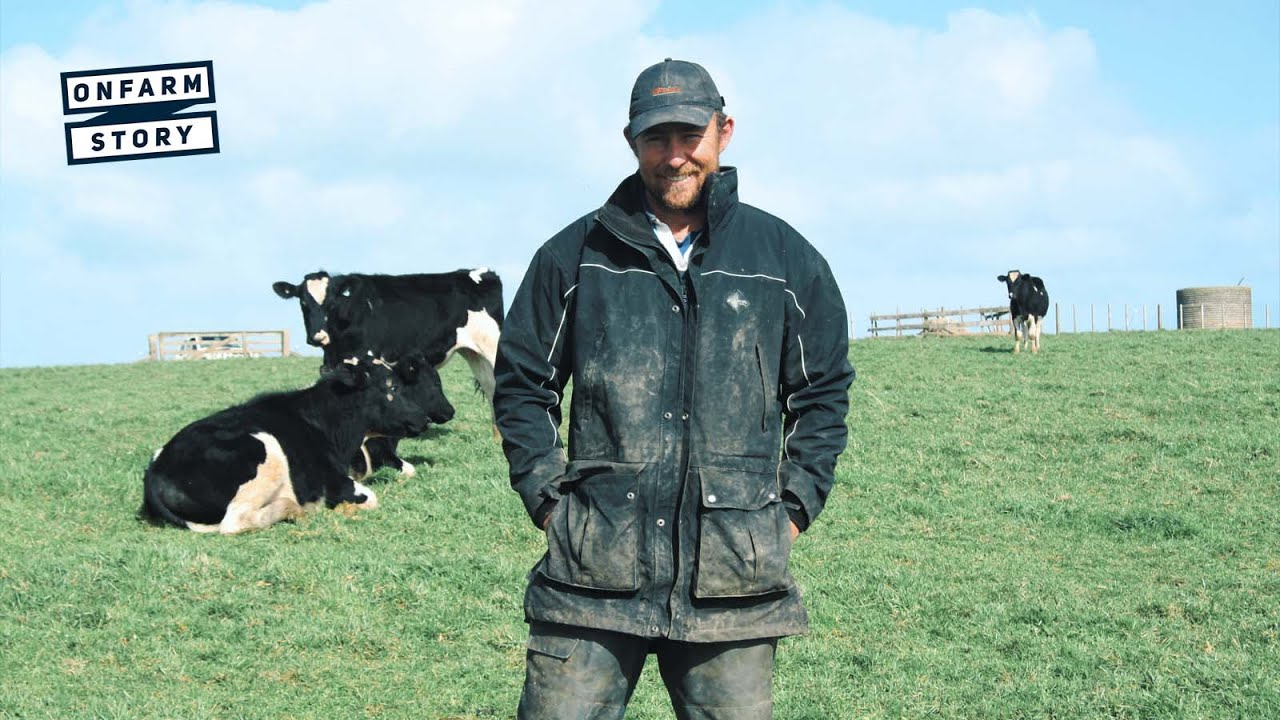
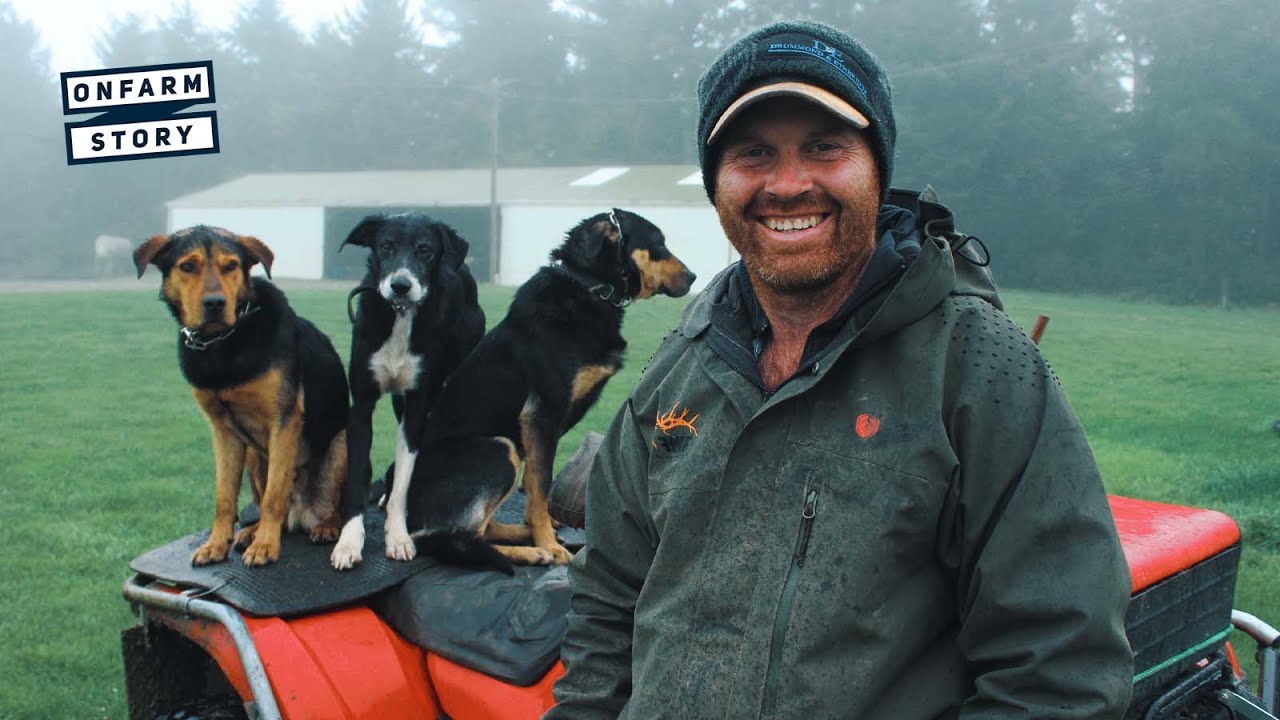
Dane Tamapo and his team share their journey through challenges, including managing waste and reducing greenhouse gas emissions. They highlight the impact of farming on local waterways and the community. Their commitment is to create a sustainable future for the next generation, ensuring that the land remains healthy and productive.
Photo: “Pohutukawa, Te Kaha” by russellstreet, licensed for reuse under CC BY-SA 2.0

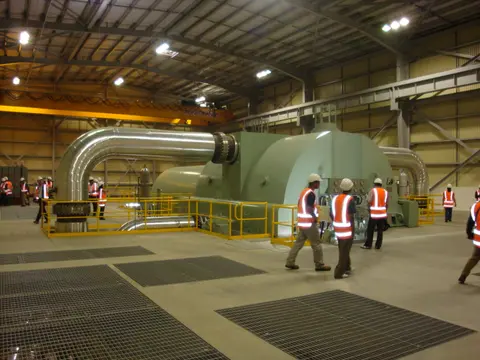
Learn how Bay of Plenty industry can switch process heat from gas to geothermal, biomass and electricity.

A Taitokerau farm is using on sustainable practices to improve production efficiency, reduce emissions, and protect the Mangakahia catchment.

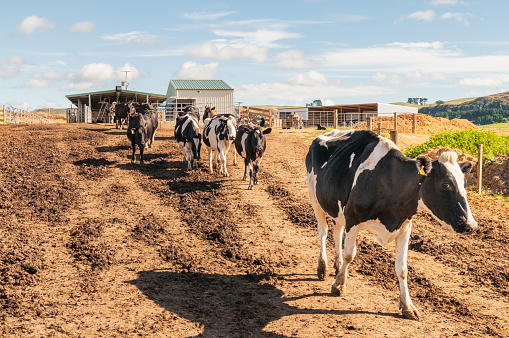
Get guidance on reducing emissions on your fairy farm.

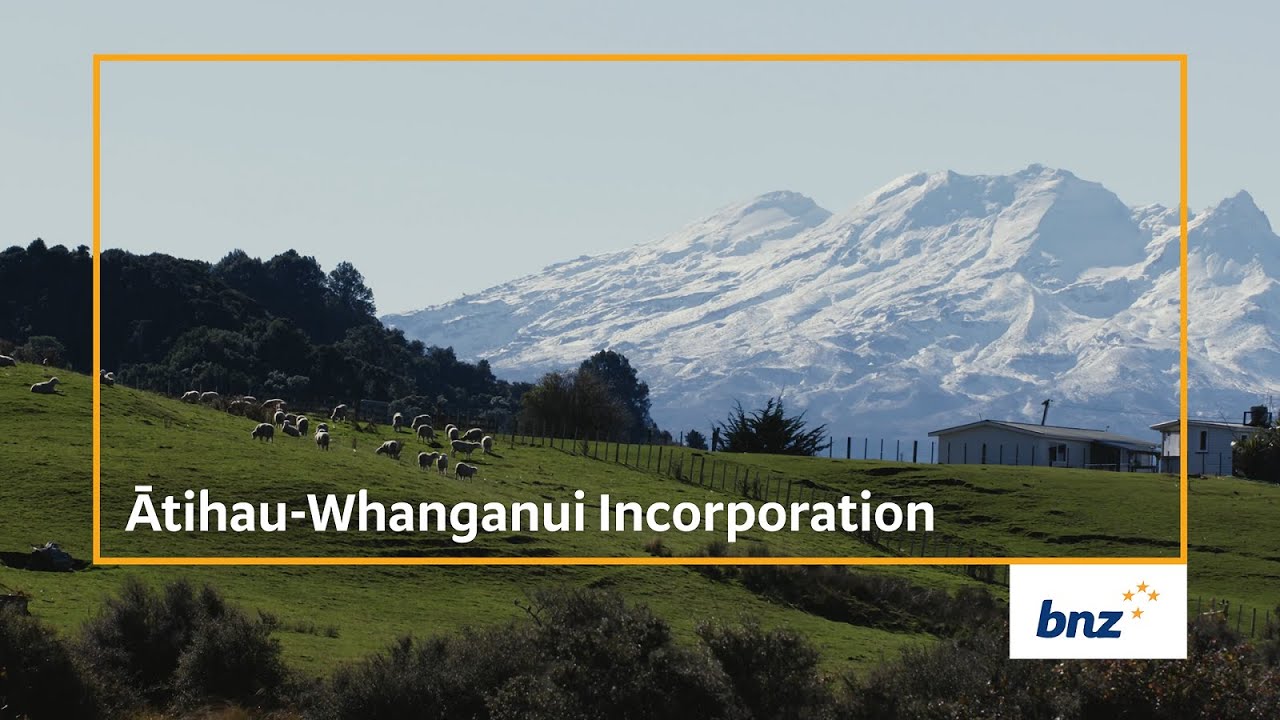
Explore how Ātihau applies Māori principles in successful agribusiness management.

Creating kiwifruit gold for Te Kaha landowners

This report explores land use changes in New Zealand to cut greenhouse gas emissions.

A guide to help Māori develop housing on collectively owned whenua.

This study explores how different governance structures affect Māori land decisions on carbon farming.

This report discusses enhancing Māori agribusiness using kaitiakitanga tools for sustainability.

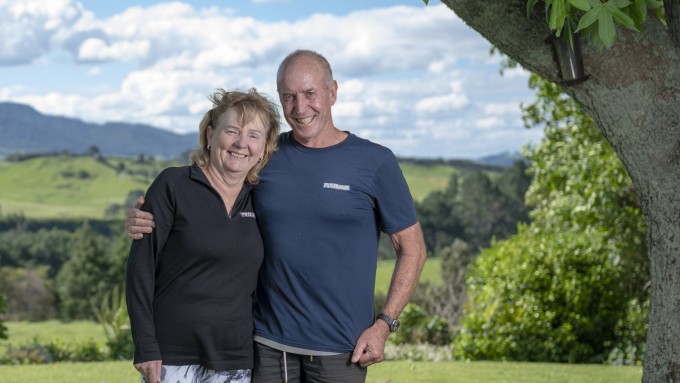
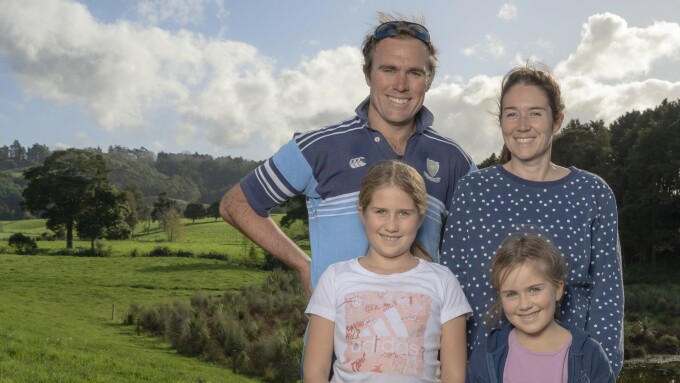
The McNaughton's share their manaaki whenua, manaaki tangata farming philosophy.

See what might be coming for the Bay of Plenty region, including rising seas and flooding.

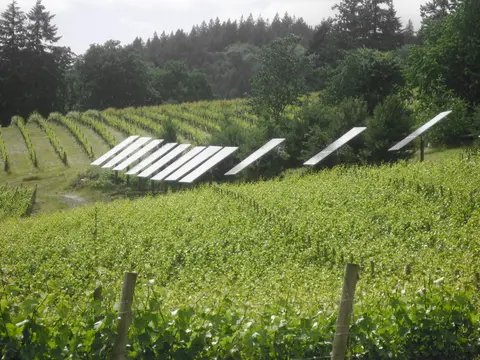
Find out how Wakatū Incorporation is cutting energy use and emissions at its Tohu winery.