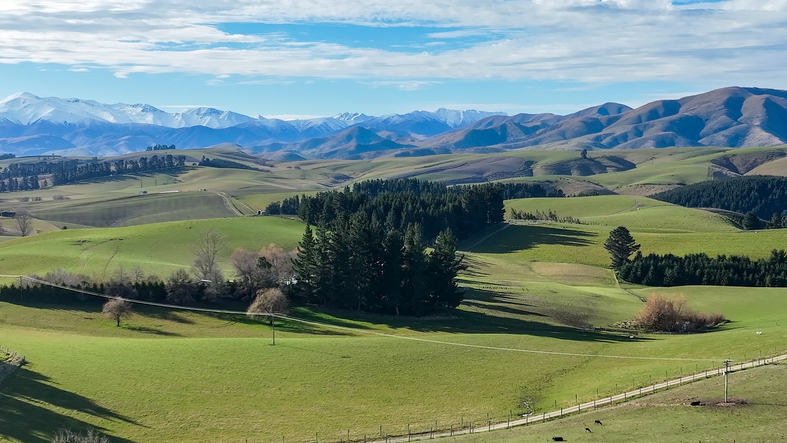
Diversifying farm income with farm forestry
Enterprise
Forestry
Productivity
Resilience
Sheep and beef
Explore how trees boost income and provide shelter on a Central Canterbury drystock farm.
Herstal Ullricht shares how he manages trees on his two drystock farms in South Canterbury, a very low rainfall area.
About 10% of the farms are dedicated to forestry. The trees offer shelter and shade, help diversify farm income, and control gorse or make tough areas more productive. Shelter trees include Leyland cypress, cedrus deodara, eucalypts, and poplar. Harvested trees have financed a new irrigation pond, making the farming operation more financially and envrionmentally sustainable.
Explore how trees boost income and provide shelter on a Central Canterbury drystock farm.
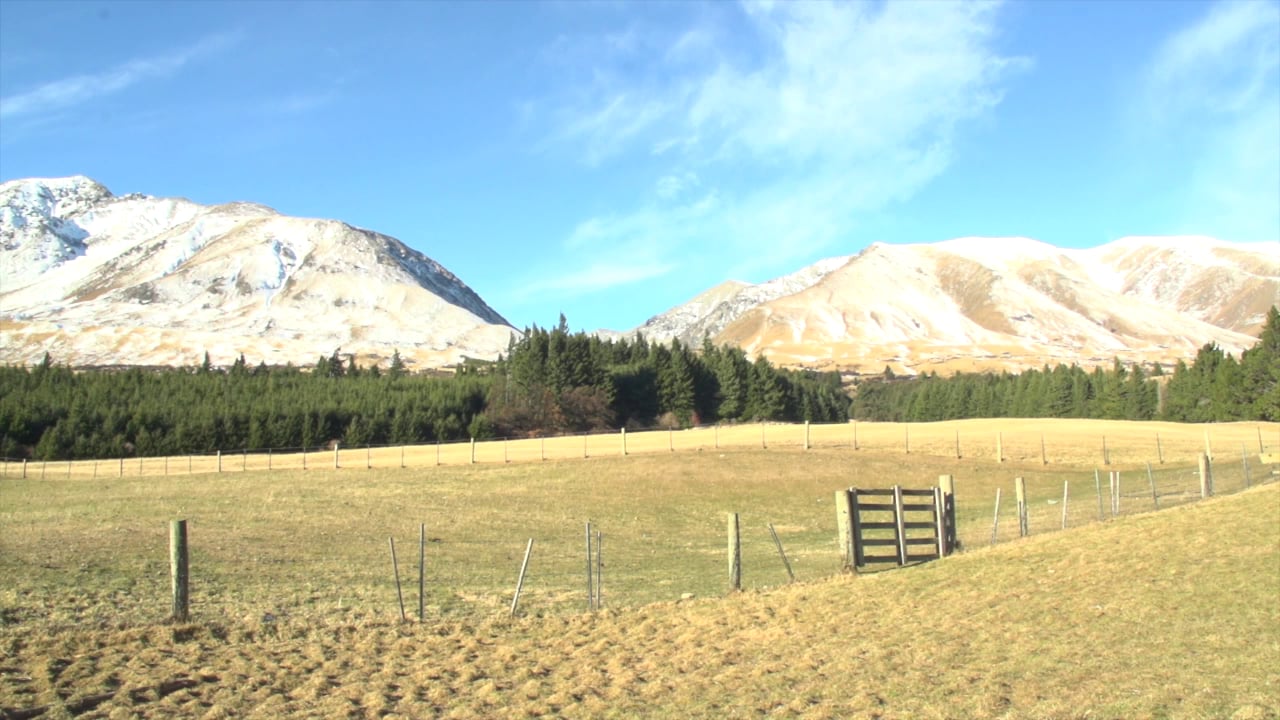
Discover how trees enhance a South Canterbury farm's income and environment.
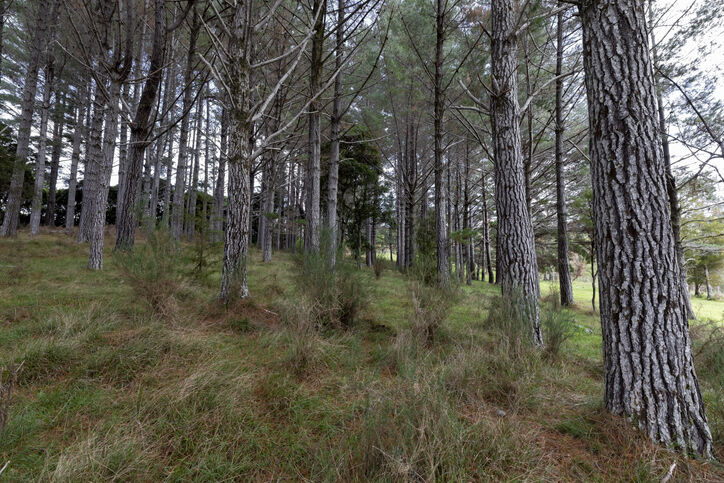
Learn about sustainable farming and forestry in North Canterbury for income and shelter.
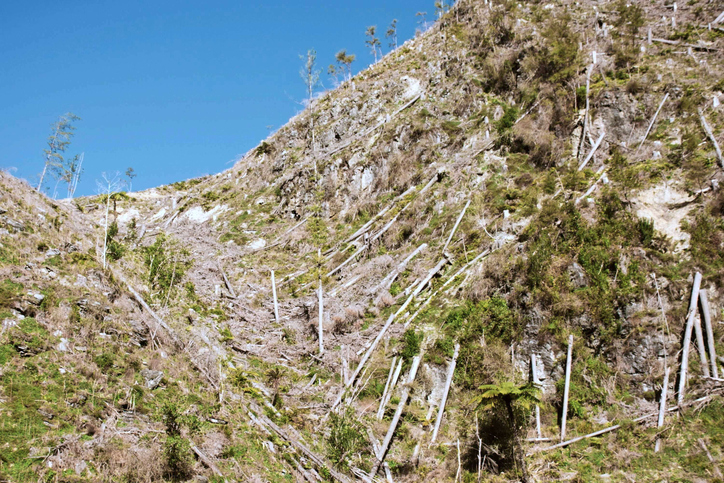
Learn how the Rutherfords use forestry for sustainable farming in North Canterbury.
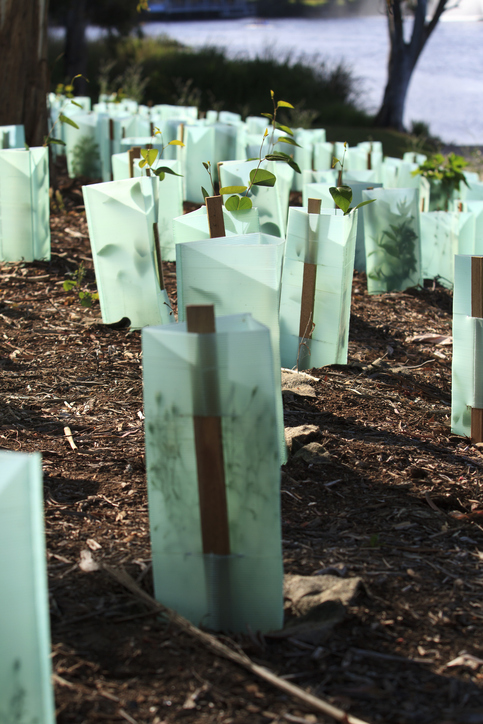
Learn how planting trees on farms can increase your farm's profit and support the environment.
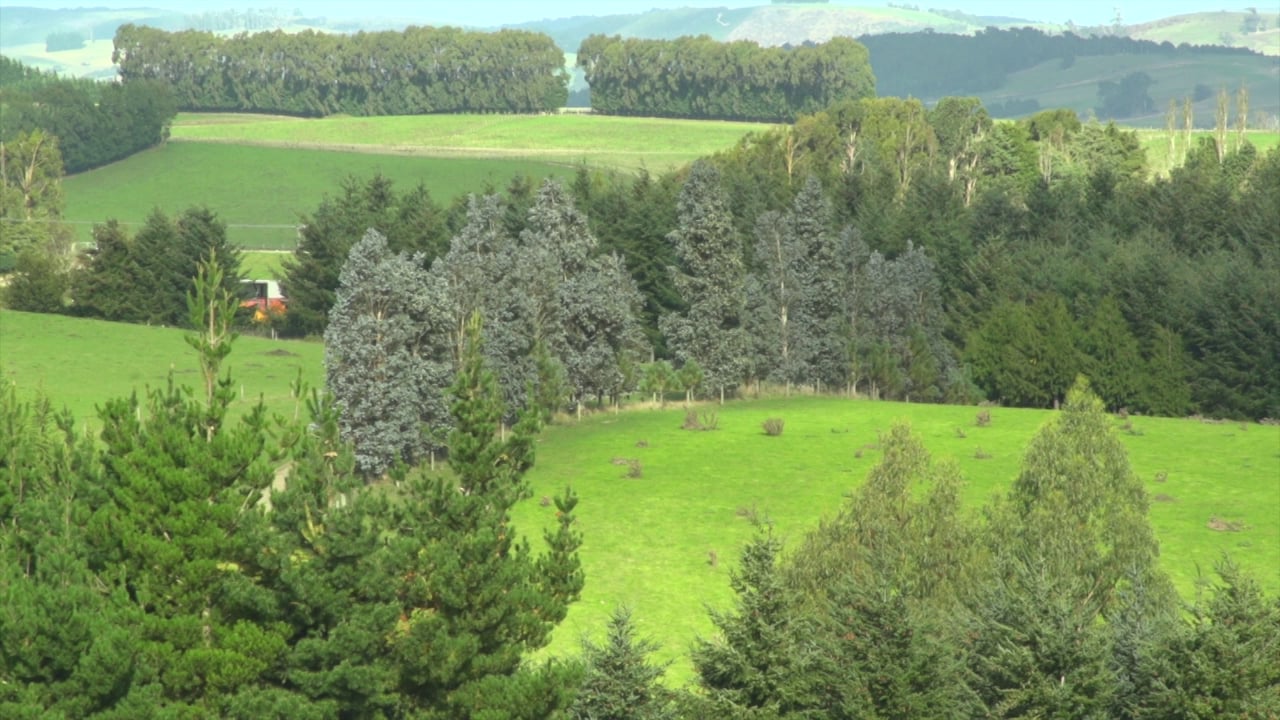
Ken Stephens shares insights on intergenerational farm forestry and sustainable practices.

Bill Wise grows trees for shelter and timber on his farm in South Otago.
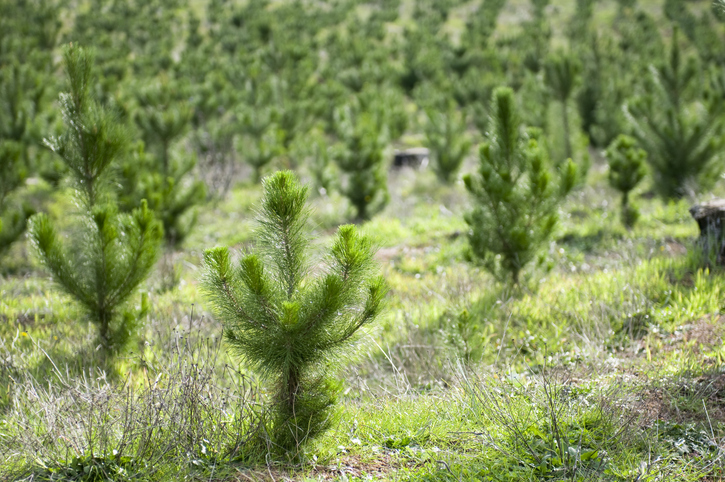
Neil Cullen shares tips on planning successful farm forestry mixed with sheep and beef in Balclutha.
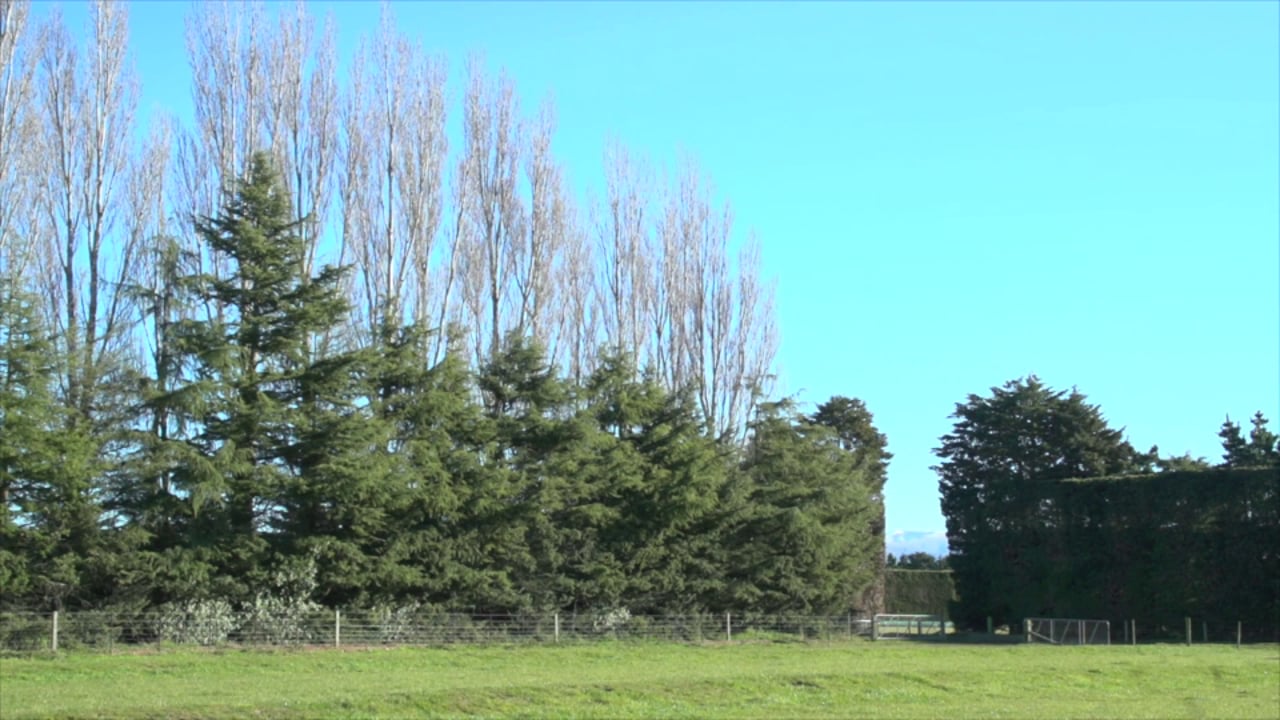
Learn about how shelter plantings are improving animal welfare on a Canterbury farm.
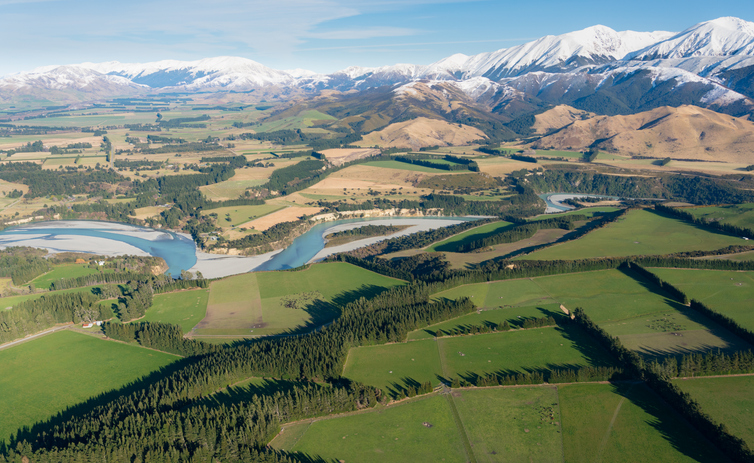
Explore diverse forest uses for production, conservation, and better surroundings on this farm.
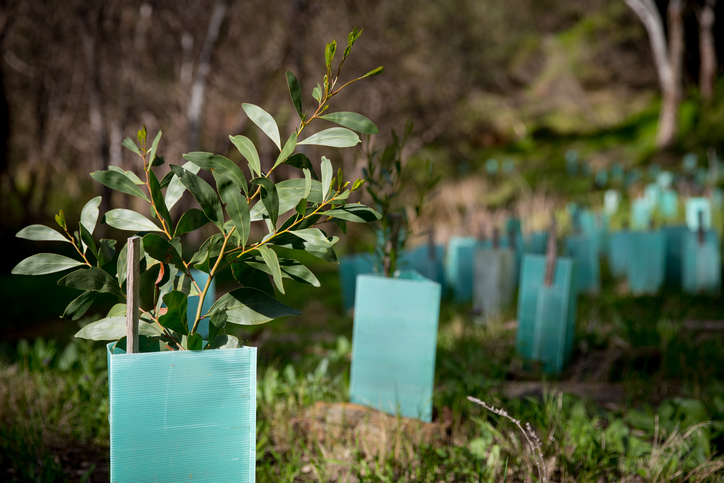
Learn how Hokanui Farm uses trees for stock management and shelter on their sheep farm.
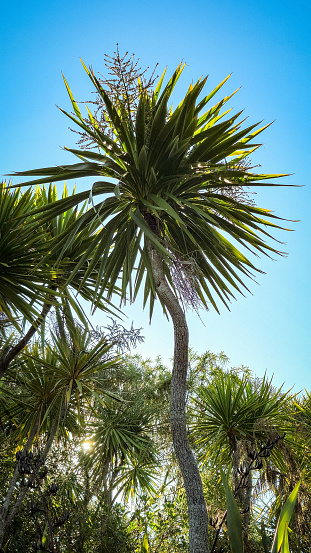
Learn how farms can use trees for carbon credits to boost income while enhancing te Taiao.
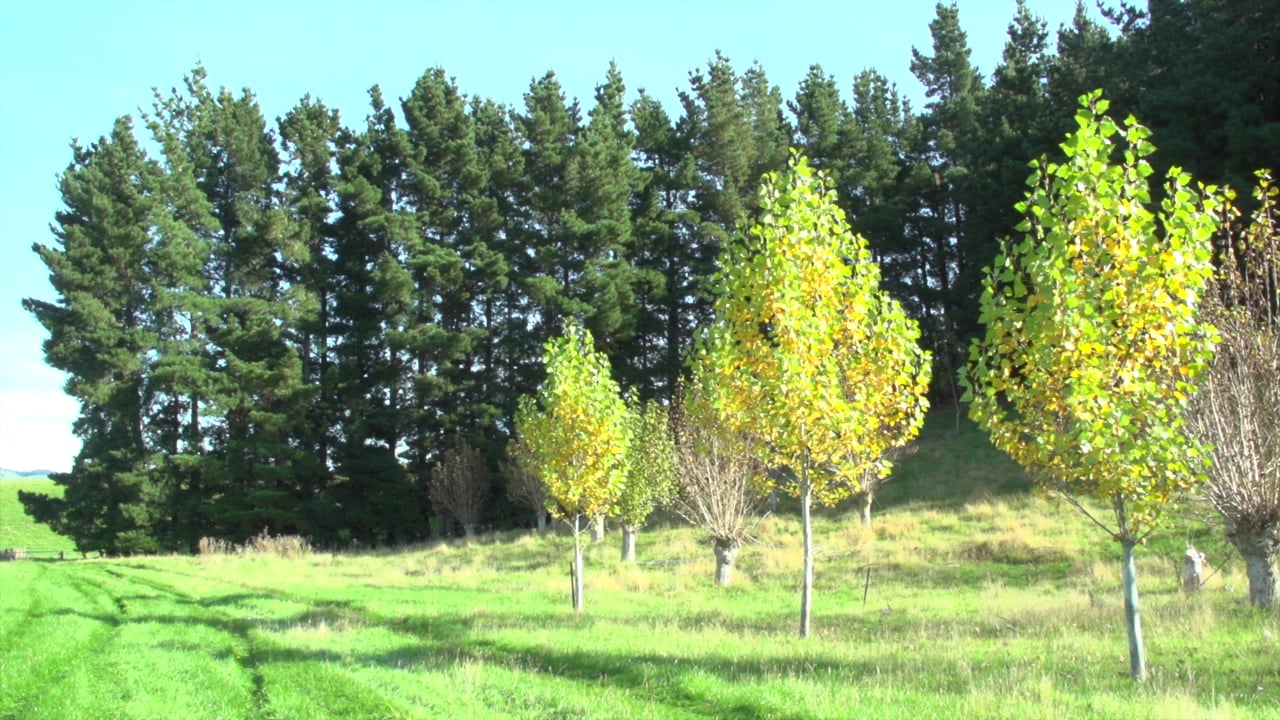
Learn how trees boost lamb survival, pasture growth, and financial sustainability at Mount Blue Farm.
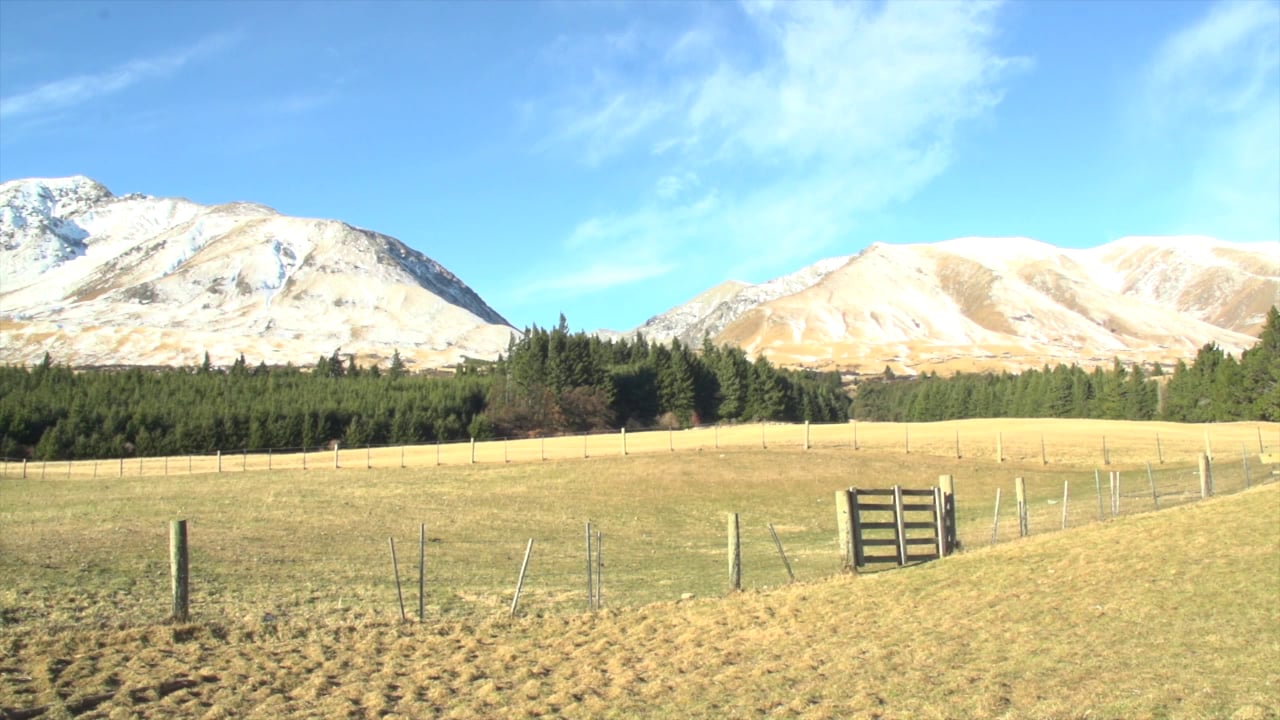
Ken Wigley shares how planting trees for shelter has improved life on Glen Lyon Station.
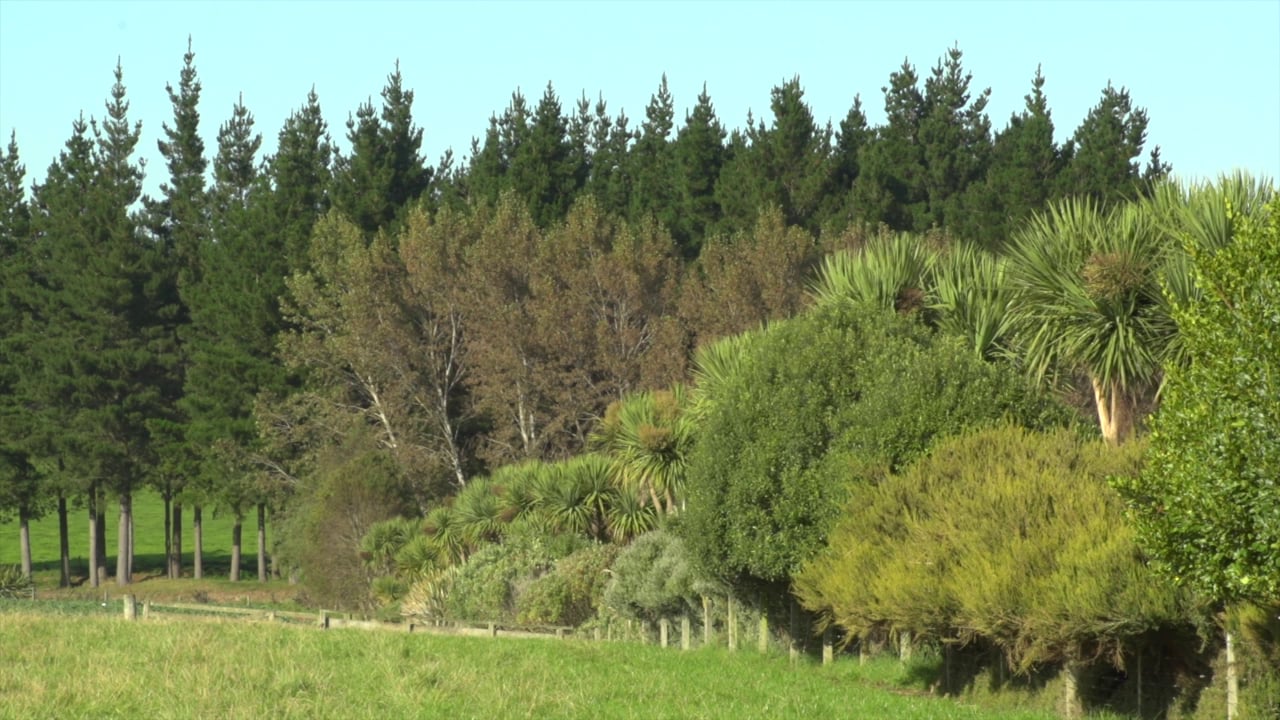
Explore how shelter plantings boost sheep farming and provide home-grown timber.
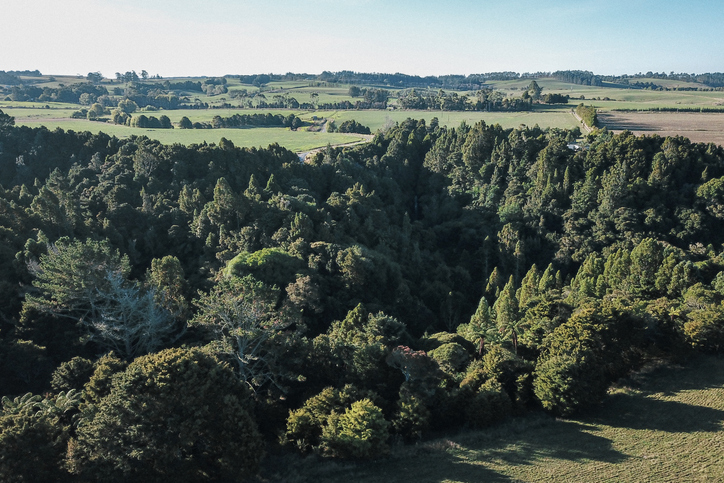
Learn how tree planting on farms can earn carbon credits in the Emissions Trading Scheme (ETS).
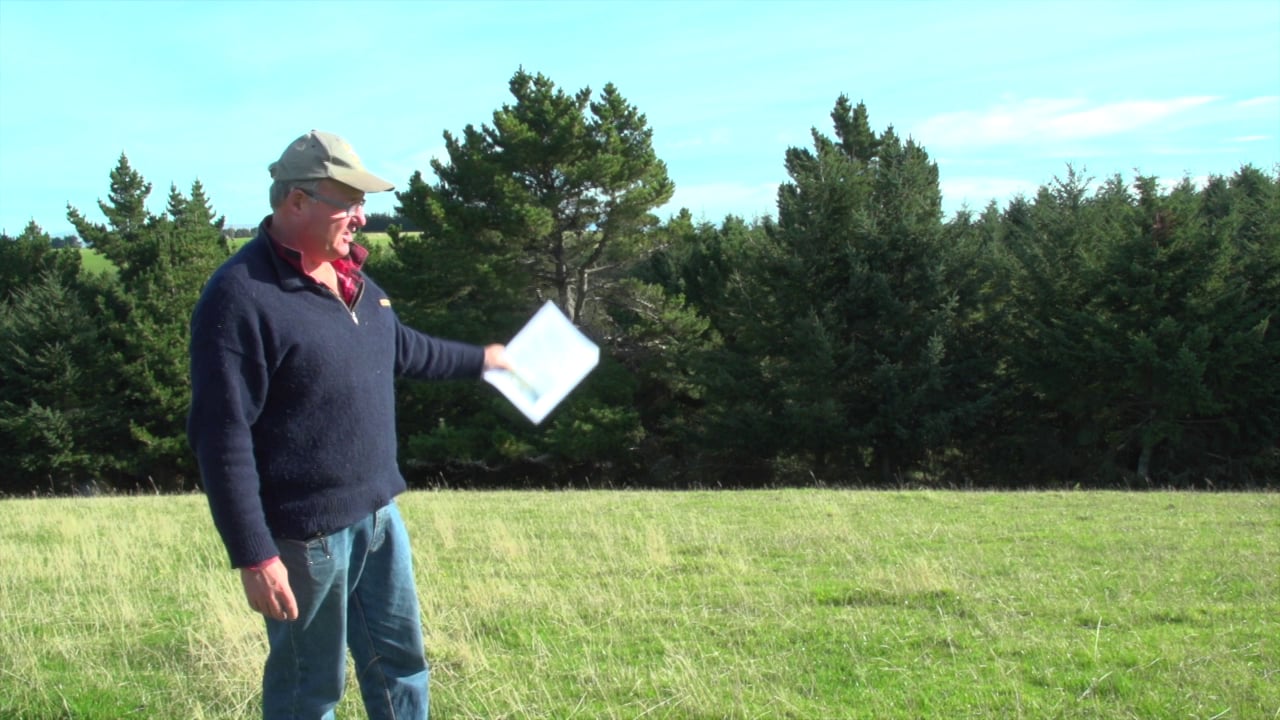
Explore a farm that uses diverse trees for shelter, wildlife, and better outcomes for livestock.

Learn how trees improve farming in East Otago and support timber production.
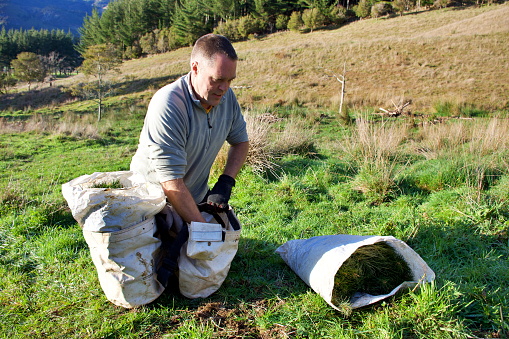
Get tips and advice for planting trees for harvest.
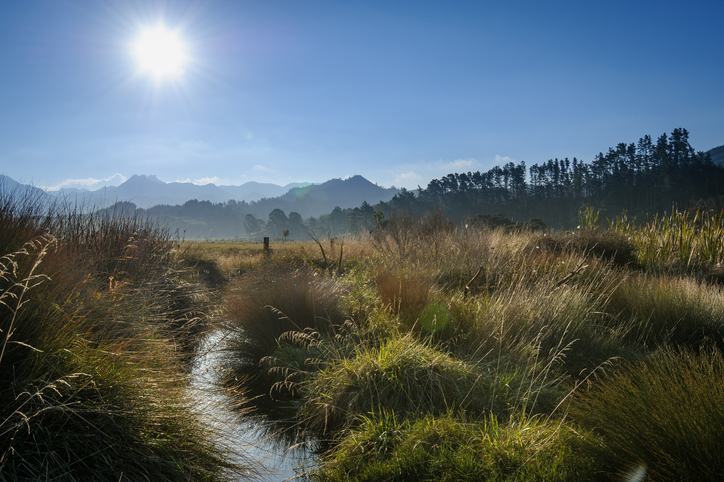
Learn about planting trees along waterways to enhance nature and prevent erosion.
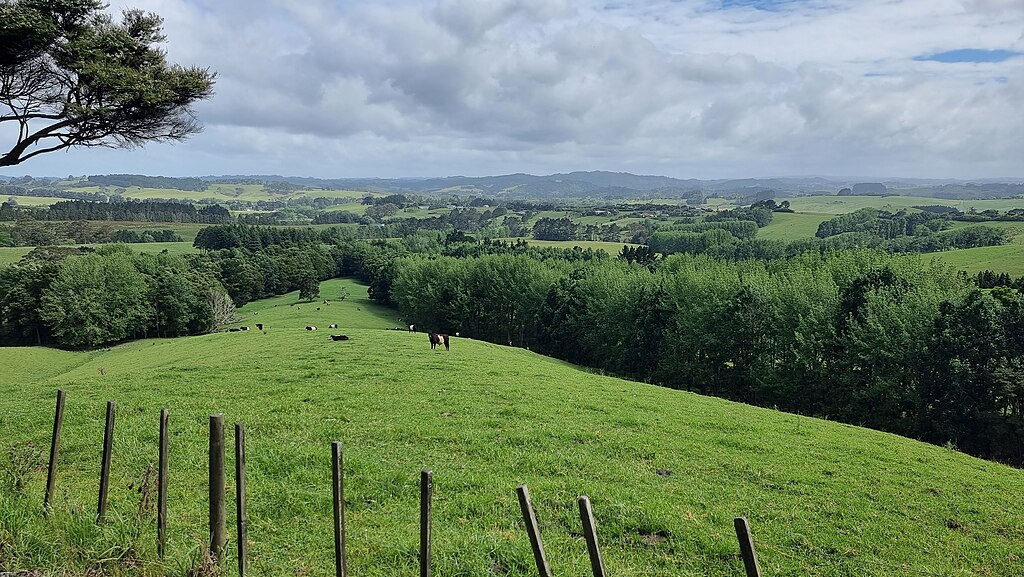
Choose the right tree species for your farm woodlot based on site factors like soil, climate, and wind.
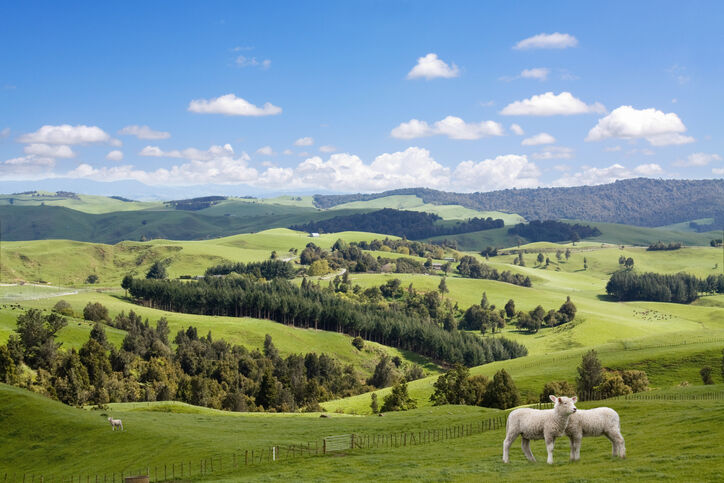
Discover how tree planting improved lambing rates on an Otago sheep farm.
Learn to plant trees and shrubs on farms to support bee health and improve pollination.