Barriers to adoption of no-cost agricultural mitigation practices
This research tries to understand why people won't adopt practices to reduce farm emissions, even if the change costs nothing.
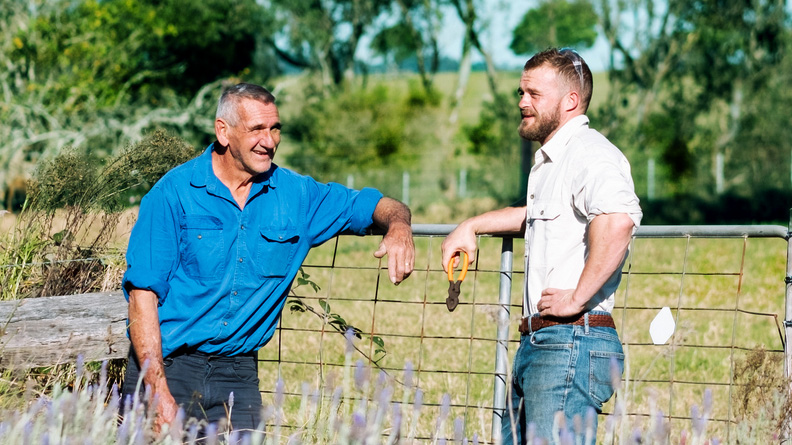
This research explored the barriers faced by farmers in adopting "no-cost" practices to reduce greenhouse gas emissions. It found that many farmers are not aware of how these practices can help. and identified a range of barriers, both financial and non-financial, that affect decision-making.
The re[prt also includes insights from farmers, including those from Māori groups, showing no major differences in how they manage their farms compared to non-Māori farms.

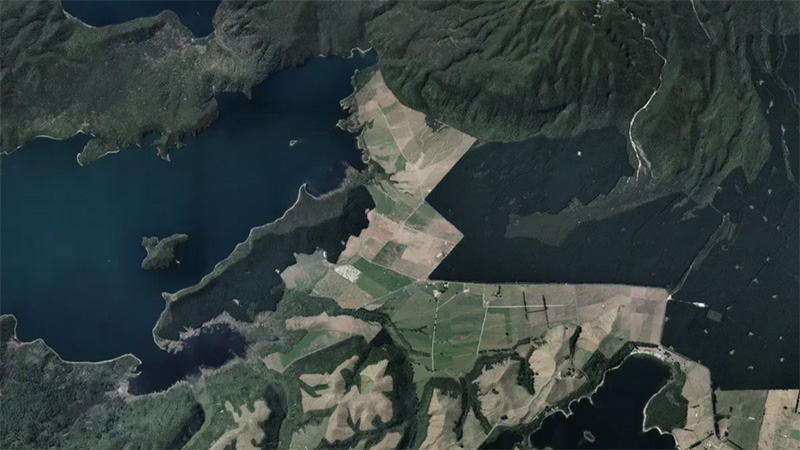
This report explores land use changes in New Zealand to cut greenhouse gas emissions.

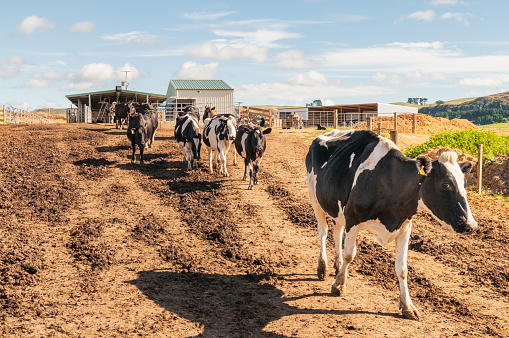
Learn about dairy farm emissions, their impacts, and ways to reduce them without affecting your profitability.

Training for rural professionals on climate change and agricultural geenhouse gas emissions in NZ.

Factsheets about farm greenhouse gas emissions, feeds, methane control, soil carbon, and more.

Explore how dairy water-quality measures affect greenhouse gas emissions too.

This report uses two case studies to illustrate different ways that diversified Māori agribusinesses can reduce greenhouse gas emissions and increase profits.

Explore actions New Zealand farmers can take to reduce greenhouse gas emissions effectively.

Learn how you can reduce your greenhouse gas emissions while staying profitable.

Get guidance on reducing emissions on your fairy farm.

Research about how livestock farms in Aotearoa manage droughts.

Learn about reducing methane emissions on your farm.

This paper discusses carbon farming on Māori land, its benefits, and decision-making challenges.