
Reducing New Zealand’s agricultural greenhouse gas emissions: How we are getting there
Learn about methane in agriculture and how NZ ag researchers are trying to reduce emissions.
Methane is a potent greenhouse gas that significantly contributes to climate change. It accounts for 71% of Aotearoa's emissions from farming.
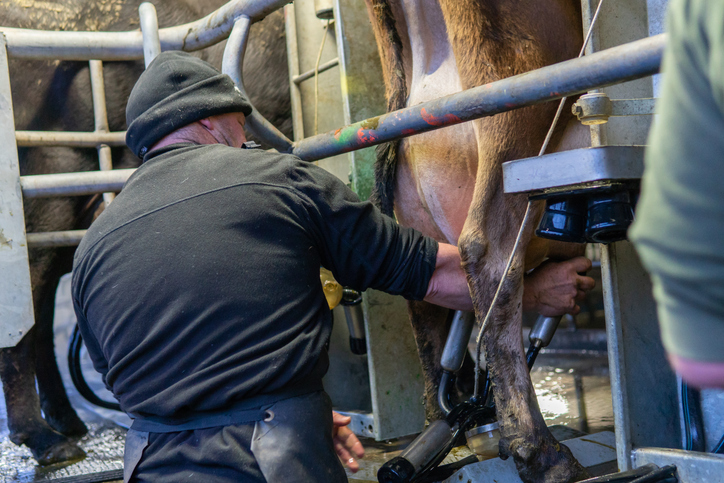
This guide explains how methane from cows, sheep, deer, and goats affects climate, and what you can do on your farm to reduce those emissions like switching to once-a-day-milking.

Wayne McNee discusses reducing methane emissions in agriculture and the opportunity it represents.

Understand different manure storage options to reduce methane emissions on livestock farms.

Learn how sheep and beef farms can reduce greenhouse gas emissions and improve profits.

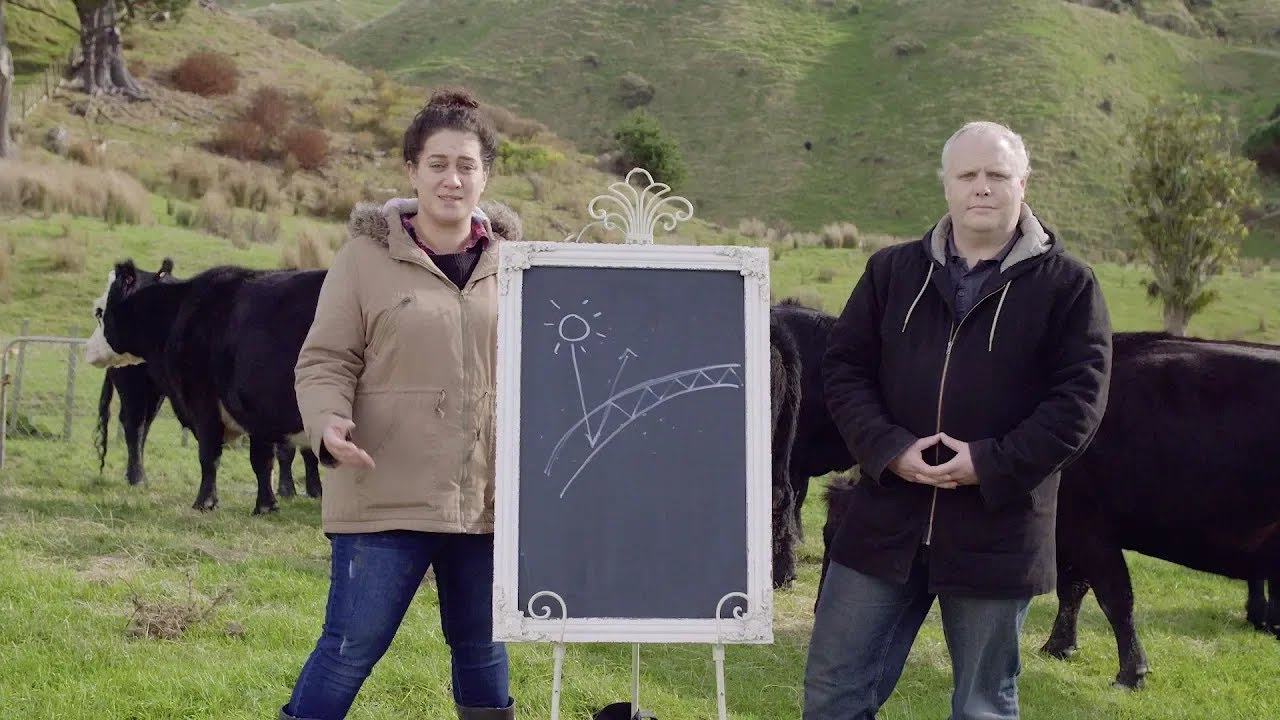
Learn about sources of methane and how it influences the climate.

Explore new technologies for reducing on-farm greenhouse gas emissions from your farm.

Understand how to reduce emissions and adapt to a changing climate on your farm.

Learn how dairy farmers in New Zealand can reduce greenhouse gas emissions effectively.

Learn how to reduce farm emissions by improving animal performance and adjusting stocking rates.

Learn how to manage greenhouse gas emissions on your farm.

Find out about a no-cost method to reduce your dairy farm's greenhouse gas emissions.

A science and mātauranga Māori based plan to reduce our agricultural greenhouse gas emissions.

Learn how Owl Farm cut biological greenhouse gas emissions over a ten year period.