Reducing New Zealand’s agricultural greenhouse gas emissions: How we are getting there
Learn about methane in agriculture and how NZ ag researchers are trying to reduce emissions.

Farm systems are always changing to keep up with new challenges and opportunities. There’s growing interest in how farms can cut greenhouse gas emissions while staying productive and profitable.
This summary explains the latest research, focusing on practical, farm-level changes that can help reduce emissions on sheep, beef, and dairy farms. It also covers the bigger picture—looking at what a low-emissions future might mean for our rural communities and economy, and what new land use options could be possible down the line.
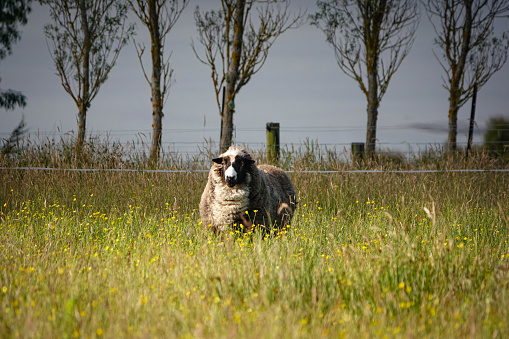
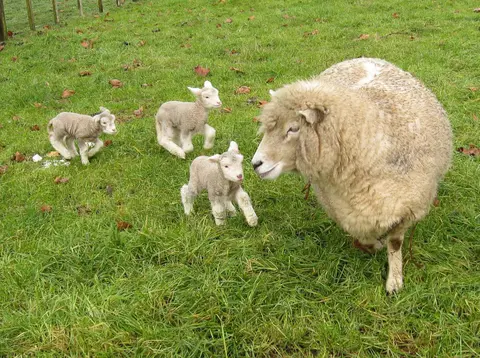
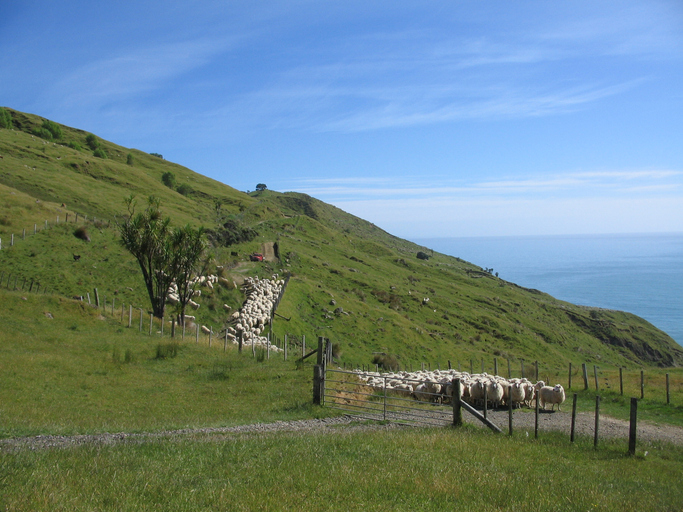
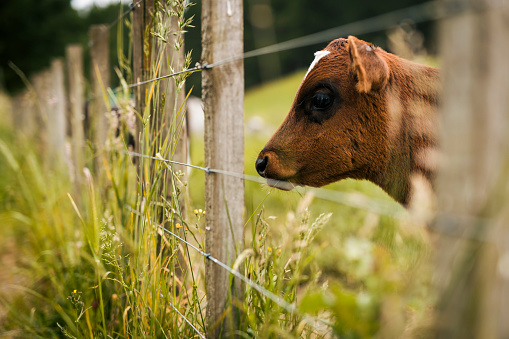
Photo: "waking up" by paul bica is licensed under CC BY 2.0.


Learn how you can reduce your greenhouse gas emissions while staying profitable.

Learn about reducing methane emissions on your farm.

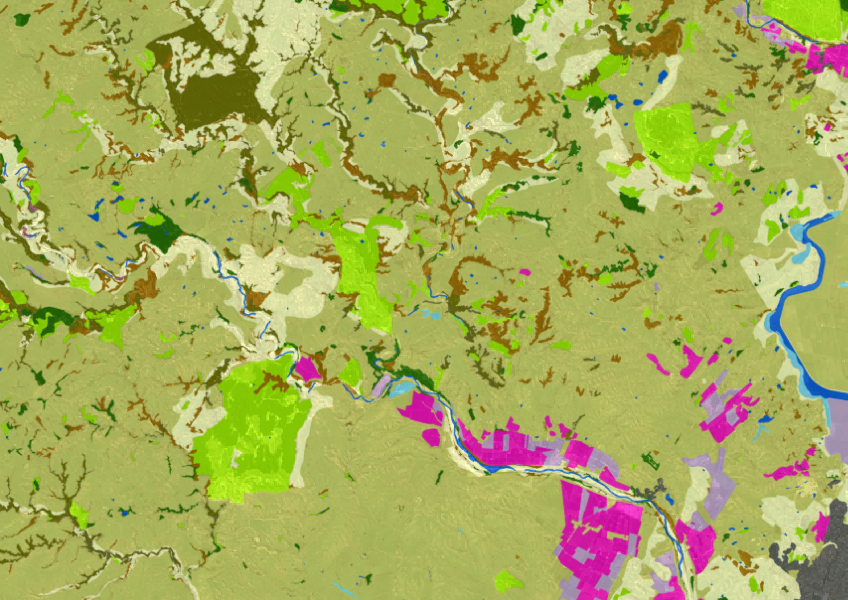
This report explores land use changes in New Zealand to cut greenhouse gas emissions.

Understand how land use change can lower greenhouse gas emissions on farms.

Read about the impacts different Aotearoa land use change scenarios might have on cliamte and socio-economic outcomes.

Explore how our beef and lamb farming can support wellbeing, the planet, and local communities.

This resource outlines methods to reduce agricultural greenhouse gas emissions in New Zealand.

Find science-backed actions to cut greenhouse gas emissions on your farm.

Learn how dairy farmers in New Zealand can reduce greenhouse gas emissions effectively.

This resource explores reducing agricultural emissions in Aotearoa through tech and land use changes.

Understand how to reduce emissions and adapt to a changing climate on your farm.

Factsheets about farm greenhouse gas emissions, feeds, methane control, soil carbon, and more.